Beyond The Patrols: How Female Rangers Are Transforming Conservation Across Africa
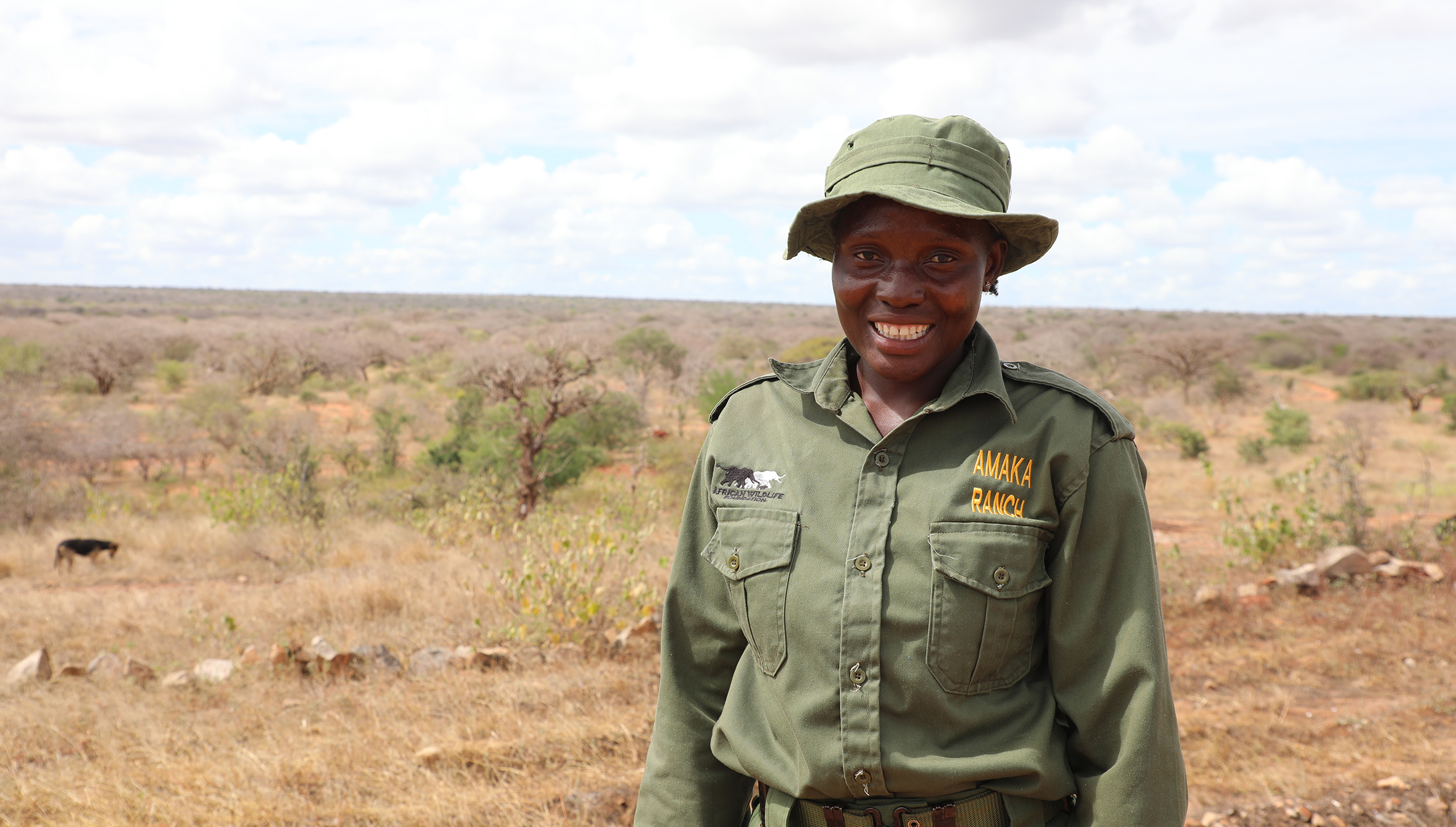
Penina Badiha, a Ranger Based in Amaka Conservancy, Tsavo Landscape Kenya.
Across Africa, women rangers are redefining their role in conservation by demonstrating that protecting wildlife requires more than field operations. Through resilience, community engagement, and leadership, they are strengthening conservation efforts while creating pathways for coexistence between people and nature.
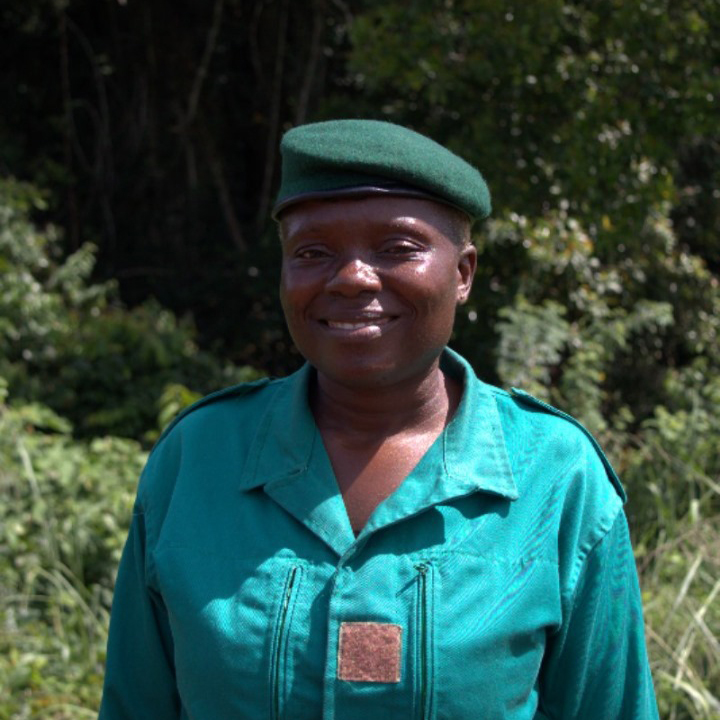
Mado, an eco-guard protecting the Dja Faunal Reserve in Cameroon.
From Cameroon’s Dja Faunal Reserve to Kenya’s Tsavo Landscape, Magdalene Tambe, popularly known as Mado, and Penina Badiha are examples of women transforming conservation in their communities.
Mado’s journey began in Mamfe, her home village in Cameroon’s Southwest Region, where she witnessed the challenges of human-wildlife coexistence. Elephants trampled crops, gorillas raided food stores, and wildlife was often viewed as a threat to community livelihoods. However, she also saw the impact conflict was having on both people and the ecosystem.
“I saw how much pain unmanaged coexistence brought to my people, but I also felt the forest was suffering. I wanted to be part of the solution, not the cycle of conflict,” she says.
Her passion for conservation grew after a female eco-guard visited her school and shared her experiences protecting wildlife. Inspired by seeing a woman take on such a role, Mado pursued eco-guard training and entered a field where women were often underrepresented. Through her work in the Dja Faunal Reserve, she learned that conservation success depends on building trust between communities and protected areas.
Building Trust Between Communities and Wildlife
Thousands of kilometers away in Kenya’s Tsavo landscape, Penina Badiha is also helping transform the relationship between communities and wildlife. Based at Amaka Conservancy, Penina comes from Kilibasi, Kwale County, and is part of the Waata community, an indigenous and highly marginalized group traditionally known for hunting and gathering.
Growing up, she witnessed challenges including poverty, limited livelihood opportunities, and restricted access to education. In her community, wildlife was often viewed as a source of food and income. However, conservation awareness programs and alternative livelihood opportunities helped change perceptions.
“People hunted wildlife because many did not understand its value or how closely it is connected to our well-being. Through the awareness lessons we received, we learned that every animal has an important role in the ecosystem,” says Penina.
Through support from the African Wildlife Foundation (AWF), in partnership with the Kenya Wildlife Service (KWS) and Ol Pejeta Conservancy, Penina received training in anti-poaching operations, wildlife law enforcement, human-wildlife conflict mitigation, and conservation technology such as EarthRanger.
Today, she conducts patrols, monitors illegal grazing, removes traps and snares, records field observations, and responds to reports of injured wildlife. Penina continues to demonstrate the important role women play in protecting natural resources.
Protecting Biodiversity Through Community-Led Conservation
Through conflict-sensitive conservation engagement, Mado has worked with farmers, elders, and youth to transform mistrust into dialogue and collaboration.
Her dedication to community engagement has shaped her conservation journey, leading to her transition from field-based eco-guard work to the Direction of Wildlife and Protected Areas at Cameroon’s Ministry of Forestry and Wildlife, where she contributes to wildlife management discussions.
Through their journeys, Mado and Penina represent a growing movement of women leading conservation efforts across Africa. Their stories show that protecting wildlife requires more than enforcement; it requires empathy, community partnerships, and voices that understand both people and nature.
As Mado says, “I am a mother, but I am also a guardian of the forest. My son knows that my work is for them, for their future, and for the future of the forest itself.”